The Ultimate Guide: Uncovering The Owner Behind The Gucci Empire
Who is the mastermind behind the iconic fashion house Gucci?
Gucci is an Italian luxury brand of fashion and leather goods. Founded by Guccio Gucci in Florence in 1921, Gucci is one of the world's most well-known and successful fashion brands, with iconic products such as the GG logo, the Jackie bag, and the loafer. The company is currently owned by Kering, a French luxury group.
Kering acquired Gucci in 2001 for $3.4 billion. At the time, Gucci was facing financial difficulties and its reputation had been tarnished by a number of scandals. Kering brought in new management and invested heavily in the brand, and Gucci has since regained its position as one of the world's leading luxury brands.
Gucci is known for its high-quality craftsmanship, luxurious materials, and innovative designs. The brand's products are sold in over 500 stores worldwide and are worn by celebrities and fashion icons around the globe.
👉 For more insights, check out this resource.
Who's the Owner of Gucci?
Gucci is one of the world's most iconic fashion brands, known for its high-quality craftsmanship, luxurious materials, and innovative designs. But who is the owner of this fashion empire? Here are 5 key aspects to consider:
- Company: Gucci is owned by Kering, a French luxury group.
- Founder: Gucci was founded by Guccio Gucci in Florence, Italy in 1921.
- Ownership: Kering acquired Gucci in 2001 for $3.4 billion.
- Brand Value: Gucci is one of the most valuable brands in the world, with a brand value estimated at over $25 billion.
- Products: Gucci's products include handbags, shoes, clothing, jewelry, and watches.
These key aspects provide a comprehensive overview of the ownership of Gucci. Kering's acquisition of Gucci in 2001 marked a significant turning point in the brand's history, and Kering has since invested heavily in Gucci's growth and development. As a result, Gucci has regained its position as one of the world's leading luxury brands.
👉 Discover more in this in-depth guide.
Company
This statement provides a crucial piece of information in answering the question of "who's the owner of Gucci." Kering is a French luxury group that owns a portfolio of prestigious brands, including Gucci, Saint Laurent, Bottega Veneta, and Balenciaga. Kering's acquisition of Gucci in 2001 marked a significant turning point in the brand's history.
- Ownership Structure: Kering's ownership of Gucci has brought stability and resources to the brand, enabling it to invest in growth and development. Kering has a proven track record of successfully managing luxury brands, and its ownership has been a major factor in Gucci's resurgence as a global fashion powerhouse.
- Brand Management: Kering has a deep understanding of the luxury market and has provided Gucci with the support and guidance it needs to maintain its position as a leading brand. Kering's management team has a wealth of experience in the fashion industry, and they have been instrumental in shaping Gucci's strategic direction.
- Financial Strength: Kering's financial strength has allowed Gucci to invest in new products, expand into new markets, and enhance its customer experience. Kering's resources have been essential in supporting Gucci's growth and expansion.
- Global Reach: Kering has a global reach, with a presence in over 120 countries. This has enabled Gucci to expand its reach and become a truly global brand. Kering's distribution network and retail expertise have been invaluable in driving Gucci's international growth.
Overall, Kering's ownership of Gucci has been a major factor in the brand's success. Kering's financial strength, global reach, and brand management expertise have all contributed to Gucci's resurgence as a leading global luxury brand.
Founder
The founding of Gucci by Guccio Gucci in 1921 is a key factor in understanding the answer to the question "who's the owner of Gucci." Guccio Gucci's vision and entrepreneurial spirit laid the foundation for the brand's success, and his legacy continues to shape the brand's identity today.
- The Visionary Founder: Guccio Gucci was a visionary entrepreneur who had a passion for fashion and luxury. He started his business with a small shop in Florence, and his unique designs quickly gained popularity among the city's elite. Guccio Gucci's vision and creativity laid the foundation for the brand's success, and his legacy continues to inspire the brand's designers today.
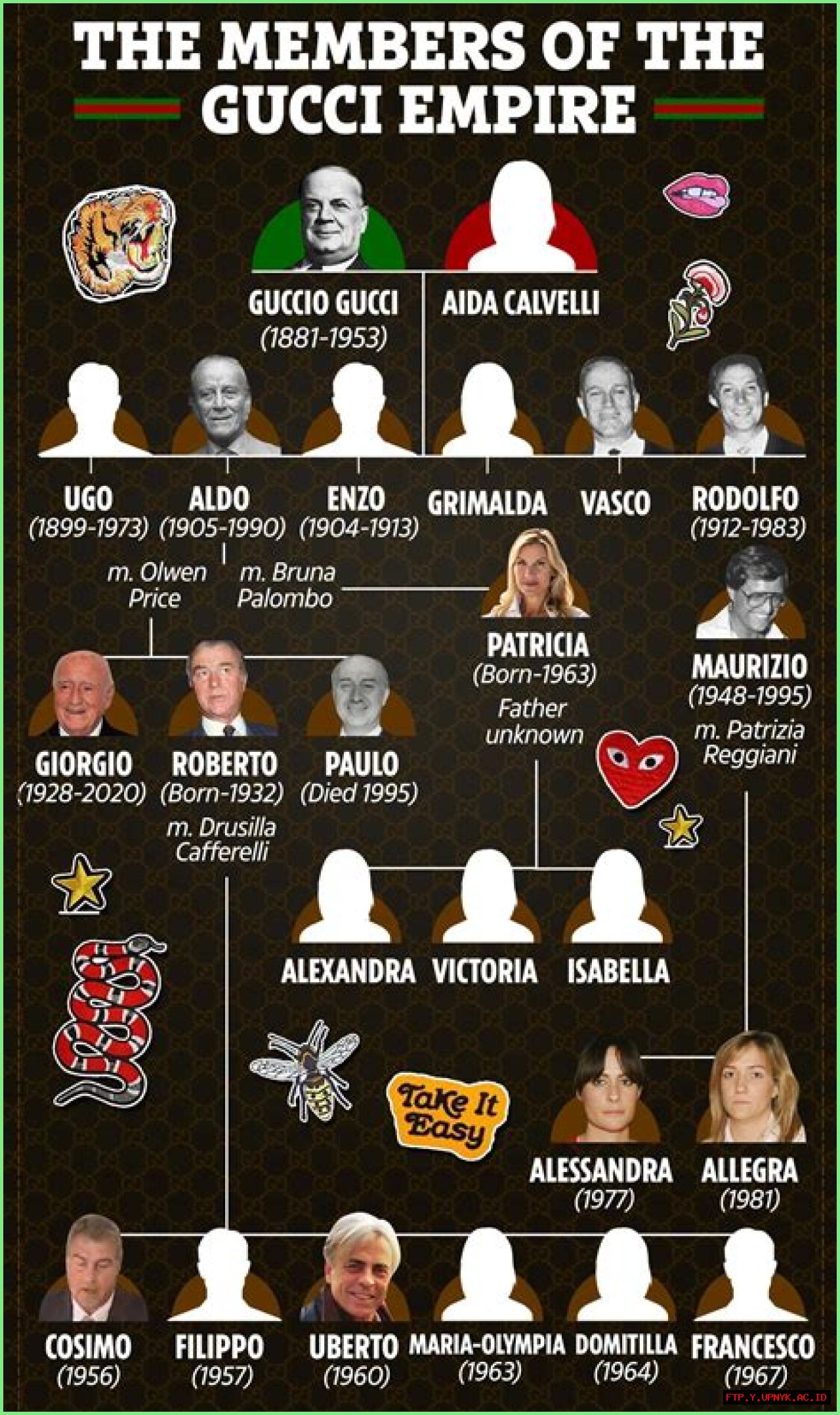
- The Gucci Family: The Gucci family played a major role in the early development of the brand. Guccio Gucci's sons, Aldo, Vasco, Ugo, and Rodolfo, all joined the business and helped to expand the brand's reach. The Gucci family's involvement in the business ensured that the brand remained true to its founder's vision.
- The Gucci Heritage: Guccio Gucci's legacy continues to shape the brand's identity today. The brand's iconic designs, such as the GG logo and the Jackie bag, are all inspired by Guccio Gucci's original creations. The brand's commitment to quality and craftsmanship is also a reflection of Guccio Gucci's vision.
In conclusion, the founding of Gucci by Guccio Gucci in 1921 is a key factor in understanding the answer to the question "who's the owner of Gucci." Guccio Gucci's vision and entrepreneurial spirit laid the foundation for the brand's success, and his legacy continues to shape the brand's identity today.
Ownership
The acquisition of Gucci by Kering in 2001 for $3.4 billion is a significant event in the history of the brand and plays a crucial role in answering the question of "who's the owner of Gucci." This acquisition marked a turning point for Gucci, bringing it under the ownership of a global luxury conglomerate and setting the stage for its resurgence as a leading fashion house.
- Shift in Ownership Structure: The acquisition by Kering shifted the ownership structure of Gucci from a family-owned business to a publicly traded company. This change brought new resources and expertise to Gucci, enabling it to expand its reach and invest in its future.
- Investment and Growth: Kering's acquisition of Gucci was followed by a significant investment in the brand's growth and development. Kering provided Gucci with the financial resources and strategic guidance it needed to expand its product lines, open new stores, and enter new markets.
- Brand Management: Kering's management team brought a wealth of experience in the luxury fashion industry to Gucci. They implemented new strategies to enhance the brand's image, improve its customer experience, and drive its growth.
- Global Expansion: Under Kering's ownership, Gucci accelerated its global expansion, opening new stores in key cities around the world. This expansion helped Gucci to reach a wider audience and establish itself as a truly global brand.
In conclusion, the acquisition of Gucci by Kering in 2001 for $3.4 billion was a transformative event for the brand. Kering's ownership brought new resources, expertise, and a global reach to Gucci, enabling it to regain its position as a leading fashion house and become one of the most valuable brands in the world.
Brand Value
The high brand value of Gucci is closely connected to the question of "who's the owner of Gucci." A brand's value is a reflection of its reputation, customer loyalty, and overall financial performance. In the case of Gucci, its strong brand value is a testament to the successful ownership and management strategies implemented by its parent company, Kering.
- Brand Recognition and Status: Gucci's iconic products, such as the GG logo and the Jackie bag, are instantly recognizable around the world. This high level of brand recognition contributes to its strong brand value, as consumers associate Gucci with luxury, quality, and exclusivity.
- Customer Loyalty: Gucci has a loyal customer base that consistently purchases its products. This loyalty is driven by the brand's consistent delivery of high-quality products, innovative designs, and exceptional customer service.
- Financial Performance: Gucci's strong financial performance is another factor that contributes to its high brand value. The brand's consistent profitability and revenue growth demonstrate its ability to generate value for its owners.
- Investment and Innovation: Kering's ownership of Gucci has enabled the brand to invest heavily in product development, marketing, and retail expansion. These investments have contributed to Gucci's continued growth and success, further enhancing its brand value.
In conclusion, the high brand value of Gucci is a reflection of the successful ownership and management strategies implemented by Kering. The brand's strong recognition, customer loyalty, financial performance, and commitment to investment and innovation have all contributed to its status as one of the most valuable brands in the world.
Products
The range of products offered by Gucci, including handbags, shoes, clothing, jewelry, and watches, plays a significant role in establishing and maintaining the brand's identity and contributing to its overall success. As part of the question "who's the owner of Gucci," understanding the brand's products provides valuable insights into the company's vision, target market, and competitive landscape.
Firstly, the diversification of Gucci's product portfolio reflects the company's commitment to meeting the diverse needs of its customers. By offering a wide range of products, Gucci caters to various tastes, styles, and occasions. This comprehensive approach enables the brand to appeal to a broader audience, enhancing its market reach and customer loyalty.
Moreover, the high quality and craftsmanship associated with Gucci products are essential elements of the brand's luxury positioning. The use of premium materials, meticulous attention to detail, and innovative designs set Gucci's products apart from competitors. This commitment to quality ensures that Gucci products maintain their value and exclusivity, reinforcing the brand's reputation as a purveyor of luxury goods.
Furthermore, the expansion of Gucci's product line into categories such as jewelry and watches demonstrates the brand's ability to adapt to changing consumer trends and capitalize on new market opportunities. By diversifying its product offerings, Gucci reduces its reliance on any single category and strengthens its overall financial performance.
In conclusion, Gucci's diverse range of products, including handbags, shoes, clothing, jewelry, and watches, is integral to the brand's identity, competitive advantage, and overall success. Understanding the connection between Gucci's products and the question "who's the owner of Gucci" provides a deeper appreciation of the company's strategic vision, target market, and the factors that contribute to its enduring appeal as a luxury brand.
FAQs on "Who's the Owner of Gucci"
This section addresses frequently asked questions surrounding the ownership of Gucci, providing concise and informative answers to common concerns and misconceptions.
Question 1: Who currently owns Gucci?
Gucci is currently owned by Kering, a French luxury group that acquired the brand in 2001.
Question 2: Who founded Gucci?
Gucci was founded by Guccio Gucci in Florence, Italy, in 1921.
Question 3: What is the significance of Kering's ownership of Gucci?
Kering's acquisition of Gucci marked a turning point in the brand's history, bringing stability, resources, and strategic guidance that enabled Gucci's resurgence as a leading global luxury brand.
Question 4: How has Gucci's ownership structure evolved over time?
Gucci started as a family-owned business, but its acquisition by Kering shifted its ownership structure to a publicly traded company, providing access to new resources and expertise.
Question 5: What factors contribute to Gucci's high brand value?
Gucci's brand value is driven by factors such as its iconic products, strong brand recognition, customer loyalty, and commitment to quality and innovation.
Question 6: What is the range of products offered by Gucci?
Gucci offers a diverse range of products, including handbags, shoes, clothing, jewelry, and watches, catering to a wide range of customer needs and tastes.
In summary, Gucci's ownership history, current ownership structure, and brand value are all interconnected factors that have shaped the brand's success. Understanding these aspects provides a comprehensive view of "who's the owner of Gucci" and the factors that have contributed to the brand's enduring legacy in the fashion industry.
Conclusion
In summary, the question "who's the owner of Gucci" encompasses a complex history of ownership, strategic acquisitions, and brand evolution. Gucci's current ownership by Kering has been instrumental in its resurgence as a leading global luxury brand, providing stability, resources, and a global reach.
Gucci's journey serves as an example of how ownership and management can shape a brand's identity, market position, and overall success. The brand's enduring legacy is a testament to its ability to adapt to changing consumer trends, maintain its commitment to quality, and cultivate a loyal customer base. As Gucci continues to navigate the fashion landscape, its ownership structure and strategic direction will undoubtedly play a pivotal role in shaping its future trajectory.
Uplifting Quotes To Inspire And Motivate Your BoyfriendCatch Keyshia Cole's Electrifying Performance In Syracuse, NYDiscover The Stunning Beauty Of Howie Long's Wife In Captivating Pictures
Gucci CEO to pay record fine in tax evasion case SABC News Breaking news, special reports
Gucci owner Kering sees 2021 profits beat preCovid levels
Guccio Gucci Founder Of Gucci And Its Complicated History History Daily
