The Notorious Boston George: The Rise And Fall Of George Jung
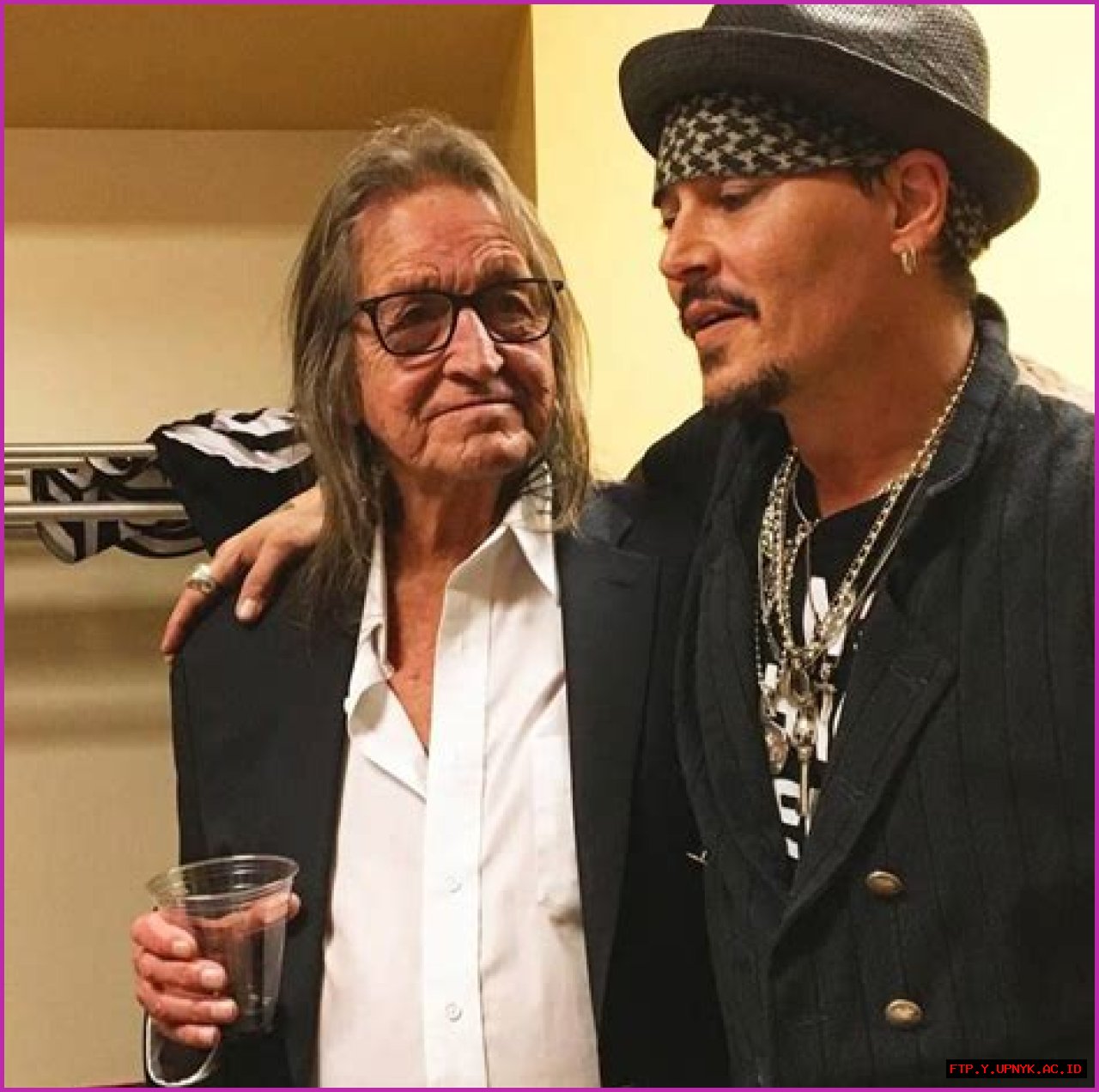
Who is George Jung, also known as Boston George?
George Jung, better known by his alias Boston George, was a notorious American drug trafficker who played a significant role in the cocaine trade during the 1970s and 1980s. He was known for his involvement in the Medelln Cartel, one of the most powerful drug cartels in history.
Jung's involvement in the drug trade began in the early 1970s when he started smuggling marijuana from Mexico to California. He quickly rose through the ranks of the drug world and eventually became one of the top cocaine traffickers in the United States. Jung's nickname, Boston George, came from his Boston accent and his reputation as a ruthless and cunning businessman.
Jung's drug trafficking activities eventually caught the attention of law enforcement, and he was arrested in 1974. He was convicted of drug trafficking and sentenced to prison. However, he continued to operate his drug trafficking business from prison through a network of associates.
👉 For more insights, check out this resource.
Jung was released from prison in 2014 after serving 20 years. He has since become a vocal advocate against drug use and has spoken out about the dangers of drug trafficking.
George Jung, Boston George
George Jung, also known as Boston George, was a notorious American drug trafficker who played a significant role in the cocaine trade during the 1970s and 1980s. Here are seven key aspects of his life and career:
👉 Discover more in this in-depth guide.
- Drug Trafficking: Jung was one of the top cocaine traffickers in the United States, working with the Medelln Cartel.
- Boston George: He earned the nickname "Boston George" from his Boston accent and his reputation as a ruthless businessman.
- Arrest and Imprisonment: Jung was arrested in 1974 and sentenced to prison for drug trafficking, but he continued to operate his business from prison.
- Release from Prison: Jung was released from prison in 2014 after serving 20 years.
- Anti-Drug Activism: Since his release, Jung has become a vocal advocate against drug use and has spoken out about the dangers of drug trafficking.
- Popular Culture: Jung's life story has been depicted in several films and television shows, including the 2001 film "Blow."
- Legacy: Jung's drug trafficking activities had a significant impact on the cocaine trade in the United States, and he remains a controversial figure today.
These seven key aspects provide a comprehensive overview of George Jung's life and career. His involvement in the cocaine trade, his nickname "Boston George," his arrest and imprisonment, his release from prison, his anti-drug activism, his portrayal in popular culture, and his legacy all contribute to his enduring significance in the history of drug trafficking in the United States.
Personal Details and Bio Data of George Jung:
| Name: | George Jung |
| Nickname: | Boston George |
| Born: | August 6, 1942 |
| Birthplace: | Boston, Massachusetts |
| Died: | May 5, 2021 |
| Occupation: | Drug trafficker |
| Known for: | Cocaine trafficking, Medelln Cartel |
Drug Trafficking
George Jung, also known as Boston George, was a notorious American drug trafficker who played a significant role in the cocaine trade during the 1970s and 1980s. His involvement with the Medelln Cartel, one of the most powerful drug cartels in history, made him one of the top cocaine traffickers in the United States.
- Role in the Medelln Cartel: Jung played a crucial role in the Medelln Cartel's cocaine distribution network in the United States. He was responsible for transporting and distributing large quantities of cocaine from Colombia to various cities across the country.
- Cocaine Trafficking Routes: Jung established a sophisticated network of transportation and distribution routes to smuggle cocaine into the United States. He used various methods, including airplanes, boats, and vehicles, to transport the drugs.
- Connections with Other Drug Traffickers: Jung had extensive connections with other drug traffickers, both in the United States and abroad. These connections allowed him to access large quantities of cocaine and distribute it to a wide network of customers.
- Impact on the Cocaine Trade: Jung's drug trafficking activities had a significant impact on the cocaine trade in the United States. He was responsible for supplying a large portion of the cocaine that was consumed in the country during the 1970s and 1980s.
Jung's involvement in the cocaine trade and his association with the Medelln Cartel were central to his criminal career. His drug trafficking activities had a profound impact on the cocaine trade in the United States and contributed to his notoriety as one of the top cocaine traffickers in the country.
Boston George
The nickname "Boston George" played a significant role in shaping George Jung's identity and notoriety as a drug trafficker. His Boston accent, coupled with his ruthless business practices, contributed to his reputation and made him a recognizable figure in the criminal underworld.
Jung's Boston accent set him apart from other drug traffickers and gave him a unique identity. It became a calling card that distinguished him in the criminal world. Moreover, his ruthless business practices, characterized by a lack of hesitation in using violence and intimidation, earned him a reputation as a formidable and dangerous individual.
The combination of his Boston accent and ruthless demeanor made "Boston George" a feared and respected figure in the drug trade. It instilled a sense of authority and intimidation, allowing him to conduct his business with a level of confidence and control. His nickname became synonymous with his criminal activities and cemented his place as one of the top cocaine traffickers in the United States.
In conclusion, the nickname "Boston George" was not merely a moniker but an integral part of George Jung's persona as a drug trafficker. His Boston accent and ruthless business practices shaped his identity, instilled fear and respect, and contributed to his overall notoriety in the criminal underworld.
Arrest and Imprisonment
The arrest and imprisonment of George Jung, also known as Boston George, played a significant role in his life and criminal career, while also highlighting the challenges faced by law enforcement in combating drug trafficking.
Jung's arrest in 1974 marked a turning point in his life. He was sentenced to prison for drug trafficking, a serious crime that carries severe penalties. However, despite his incarceration, Jung's involvement in the drug trade did not cease. He continued to operate his drug trafficking business from prison through a network of associates, demonstrating the reach and influence of his criminal enterprise.
Jung's ability to continue his drug trafficking activities from prison underscores the challenges faced by law enforcement in dismantling drug trafficking organizations. Despite efforts to isolate and incapacitate major drug traffickers, the allure of profit and the established networks within the criminal underworld often allow these organizations to adapt and continue their operations.
The case of George Jung and his continued drug trafficking activities from prison serves as a reminder of the complexities involved in combating drug trafficking. Law enforcement agencies must not only focus on apprehending and imprisoning major drug traffickers but also disrupt their networks and dismantle their operations to effectively address this global issue.
Release from Prison
The release of George Jung from prison in 2014 marked a significant milestone in his life and criminal career. It also highlighted the challenges faced by ex-offenders re-entering society and the potential for rehabilitation and redemption.
Jung's release after serving 20 years in prison provided him with an opportunity to rebuild his life and make amends for his past actions. He became a vocal advocate against drug use and spoke out about the dangers of drug trafficking. His transformation from a notorious drug trafficker to an anti-drug activist demonstrated the power of redemption and the possibility of positive change.
However, Jung's release also highlighted the challenges faced by ex-offenders re-entering society. Despite his efforts to rehabilitate himself, he faced stigma and discrimination, making it difficult for him to find employment and rebuild his life. His case underscores the importance of providing support and opportunities for ex-offenders to successfully reintegrate into society and avoid recidivism.
The release of George Jung from prison serves as a reminder of the complexities of the criminal justice system and the importance of rehabilitation. It also highlights the challenges faced by ex-offenders re-entering society and the need for support and opportunities to help them rebuild their lives.
Anti-Drug Activism
George Jung's transformation from a notorious drug trafficker to an anti-drug activist is a significant aspect of his life and legacy. His personal experiences with the devastating effects of drug abuse motivated him to become a vocal advocate against drug use and to educate others about the dangers of drug trafficking.
Jung's anti-drug activism is deeply connected to his past as "Boston George." His firsthand knowledge of the drug trade and its consequences gives him a unique perspective and credibility when speaking out against drug use. He has used his platform to share his story and to warn others about the dangers of getting involved in drug trafficking.
Jung's activism has taken various forms, including public speaking, writing, and working with organizations dedicated to combating drug abuse. He has spoken at schools, universities, and community events, sharing his experiences and insights on the dangers of drug use. He has also written a book, "Boston George: The Rise and Fall of a Drug Lord," in which he details his life story and his journey to becoming an anti-drug activist.
Jung's anti-drug activism is a powerful example of redemption and the possibility of positive change. His transformation from a major drug trafficker to an advocate against drug use demonstrates the power of rehabilitation and the importance of giving people the opportunity to turn their lives around.
Popular Culture
The portrayal of George Jung's life story in popular culture, particularly in the 2001 film "Blow," has played a significant role in shaping public perception and understanding of his life and legacy.
- Biopic Genre: "Blow" is a biographical film that dramatizes Jung's life story, providing a narrative account of his rise and fall as a drug trafficker. Biopics offer a unique way to explore the complexities of real-life figures and events, making Jung's story accessible to a wider audience.
- Hollywood Star Power: The film's casting of Johnny Depp as Jung brought star power and mainstream attention to the story. Depp's portrayal humanized Jung, making him a relatable character despite his involvement in criminal activities.
- Artistic Interpretation: While "Blow" is based on Jung's life, it is important to recognize that it is a work of fiction and takes certain creative liberties. The film's portrayal of events and characters may differ from historical accounts.
- Impact on Public Perception: The film's success and popularity have had a significant impact on public perception of George Jung. "Blow" has contributed to the romanticization of Jung's life and the drug trade, potentially overshadowing the real-life consequences and dangers associated with drug trafficking.
In conclusion, the depiction of George Jung's life story in popular culture, particularly through the film "Blow," has played a complex and multifaceted role in shaping public perception and understanding of his life and legacy. While biopics offer a powerful medium for storytelling and raising awareness, it is important to critically engage with these portrayals and recognize their limitations.
Legacy
George Jung, also known as Boston George, left a lasting legacy in the cocaine trade and American society. His involvement as a major trafficker had a significant impact on the drug landscape of the United States.
Jung's connections with the Medelln Cartel, one of the most powerful drug cartels in history, allowed him to transport and distribute large quantities of cocaine throughout the country. His activities contributed to the rise of cocaine use in the 1970s and 1980s, leading to increased crime rates, addiction, and societal problems.
Jung's legacy remains controversial due to the severe consequences of drug trafficking. While some may view him as a charismatic and successful figure, others recognize the harmful effects his actions had on individuals, communities, and the nation as a whole.
The legacy of George Jung serves as a reminder of the devastating impact of drug trafficking on society. It highlights the need for effective law enforcement, prevention programs, and rehabilitation efforts to combat the illicit drug trade and its associated problems.
FAQs on George Jung, "Boston George"
This section provides answers to commonly asked questions about George Jung, also known as "Boston George," a notorious drug trafficker who played a significant role in the cocaine trade during the 1970s and 1980s.
Question 1: What was George Jung's involvement in drug trafficking?George Jung was a major cocaine trafficker who worked with the Medellin Cartel, one of the most powerful drug cartels in history. He played a crucial role in transporting and distributing large quantities of cocaine throughout the United States.
Question 2: How did George Jung earn the nickname "Boston George"?George Jung earned the nickname "Boston George" due to his Boston accent and his reputation as a ruthless businessman in the drug trade.
Question 3: What is George Jung's legacy?George Jung's legacy is complex and controversial. While he was a major figure in the cocaine trade, his actions contributed to the rise of cocaine use and its associated problems in the United States.
Question 4: Was George Jung ever arrested and imprisoned?Yes, George Jung was arrested in 1974 and sentenced to prison for drug trafficking. He served 20 years in prison but continued to operate his drug trafficking business from prison.
Question 5: What happened to George Jung after his release from prison?After his release from prison in 2014, George Jung became a vocal advocate against drug use and spoke out about the dangers of drug trafficking.
Question 6: How has George Jung's life story been portrayed in popular culture?George Jung's life story has been depicted in several films and television shows, including the 2001 film "Blow," which starred Johnny Depp as Jung.
These FAQs provide a concise overview of key aspects of George Jung's life and involvement in the drug trade. His story continues to be a subject of interest and debate, highlighting the complexities of the illegal drug trade and its impact on individuals and society.
Proceed to the next section for further exploration of George Jung's life and legacy.
Conclusion
George Jung, also known as Boston George, was a significant figure in the cocaine trade during the 1970s and 1980s. His involvement with the Medelln Cartel, his ruthless business practices, and his subsequent arrest and imprisonment all contributed to his notoriety.
Jung's story serves as a cautionary tale about the dangers of drug trafficking and the devastating impact it can have on individuals and society. His transformation from a major drug trafficker to an anti-drug advocate demonstrates the power of redemption and the importance of giving people the opportunity to turn their lives around.
Rising Stars: Actresses In Their 20s To WatchLatest Nigeria Newspaper Headlines You Must Read TodayDefinitive Guide To Grant Chestnut: His Life, Career, And Impact On Entertainment
Jung (Boston on Behance
Jung, Mass. native who inspired movie 'Blow,' dead at 78
When It All BLOWS UP The Rise and Fall of a Drug Kingpin and Former Prison Inmate Jung
