Is Amish Heritage Considered An Ethnicity?
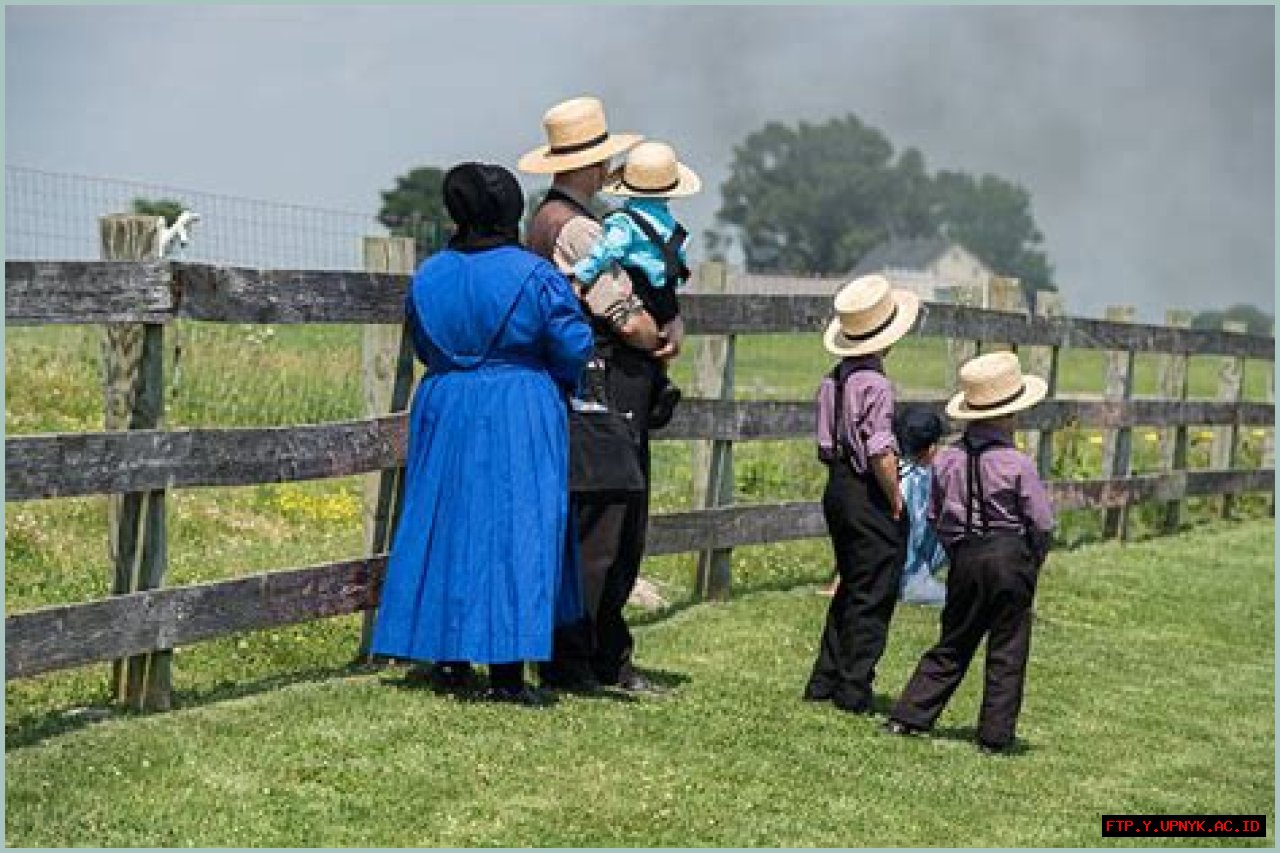
Is Amish an Ethnicity? Yes, Amish is considered an ethnicity, a distinct cultural and religious group with a shared ancestry and a common set of traditions and beliefs.
The Amish are a Christian group that originated in Switzerland in the 16th century. They are known for their simple lifestyle, plain dress, and pacifist beliefs. Today, the Amish live in communities in the United States and Canada, and they have maintained their unique culture and traditions for centuries.
There are several factors that contribute to the Amish being considered an ethnicity. First, they have a shared ancestry, with most Amish people being descendants of a group of Swiss and German immigrants who came to the United States in the 18th century. Second, the Amish have a common set of traditions and beliefs that distinguish them from other groups. These include their plain dress, their use of horse-drawn buggies, and their pacifist beliefs. Third, the Amish have a strong sense of community and identity, and they often live in close-knit communities where they support each other and maintain their traditional way of life.
The Amish ethnicity is a complex and fascinating one. The Amish have a rich history and culture, and they have made significant contributions to American society.
👉 For more insights, check out this resource.
Is Amish an EthnicityIntroduction
The Amish are a religious group that originated in Switzerland in the 16th century. They are known for their simple lifestyle, plain dress, and pacifist beliefs. Amish people are considered an ethnicity as they have a shared ancestry, a common set of traditions and beliefs, and a strong sense of community and identity.Key Aspects
Amish people have a shared ancestry, with most being descendants of Swiss and German immigrants who came to the United States in the 18th century. They have a common set of traditions and beliefs that distinguish them from other groups, including their plain dress, use of horse-drawn buggies, and pacifist beliefs. Amish people have a strong sense of community and identity, and they often live in close-knit communities where they support each other and maintain their traditional way of life.Discussion
The Amish have a rich history and culture, and they have made significant contributions to American society. They are a peaceful and hardworking people who value family and community. The Amish way of life is a reminder of a simpler time, and it is a valuable part of American heritage.Challenges
The Amish way of life is not without its challenges. Amish people often face discrimination and prejudice from outsiders who do not understand their beliefs and practices. They also face challenges in adapting to the modern world while still maintaining their traditional values.Conclusion
The Amish are a unique and fascinating people who have made significant contributions to American society. They are a reminder of a simpler time, and their way of life is a valuable part of American heritage.FAQs on "Is Amish an Ethnicity"
This section provides concise answers to frequently asked questions about the ethnicity of the Amish people.
Question 1: What factors contribute to the Amish being considered an ethnicity?
👉 Discover more in this in-depth guide.
Answer: The Amish are considered an ethnicity due to their shared ancestry, common traditions and beliefs, and strong sense of community and identity.
Question 2: What are some of the challenges faced by the Amish as an ethnic group?
Answer: The Amish face challenges such as discrimination and prejudice from outsiders, as well as the need to adapt to the modern world while maintaining their traditional values.
Summary: The Amish are a unique and fascinating ethnic group with a rich history and culture. They have made significant contributions to American society and continue to be a valuable part of its heritage.
Conclusion
The Amish are a unique and fascinating ethnic group with a rich history and culture. They have made significant contributions to American society and continue to be a valuable part of its heritage. Despite facing challenges such as discrimination and prejudice, the Amish have maintained their traditional values and way of life.
The Amish example serves as a reminder of the importance of cultural diversity and the need to respect and celebrate the unique traditions and beliefs of all ethnic groups. As we continue to navigate an increasingly interconnected world, it is more important than ever to foster understanding and appreciation among different cultures. By embracing the Amish and other ethnic groups, we enrich our own lives and create a more vibrant and inclusive society.
The Shaughnessy Murder: A Chilling True Crime TaleGet The Age Of Brian Tovar: A Complete GuideThe Enigmatic Virgil Tibbs: Unraveling The Heat Of The Night
