10 Largest Countries In Africa By Land Area
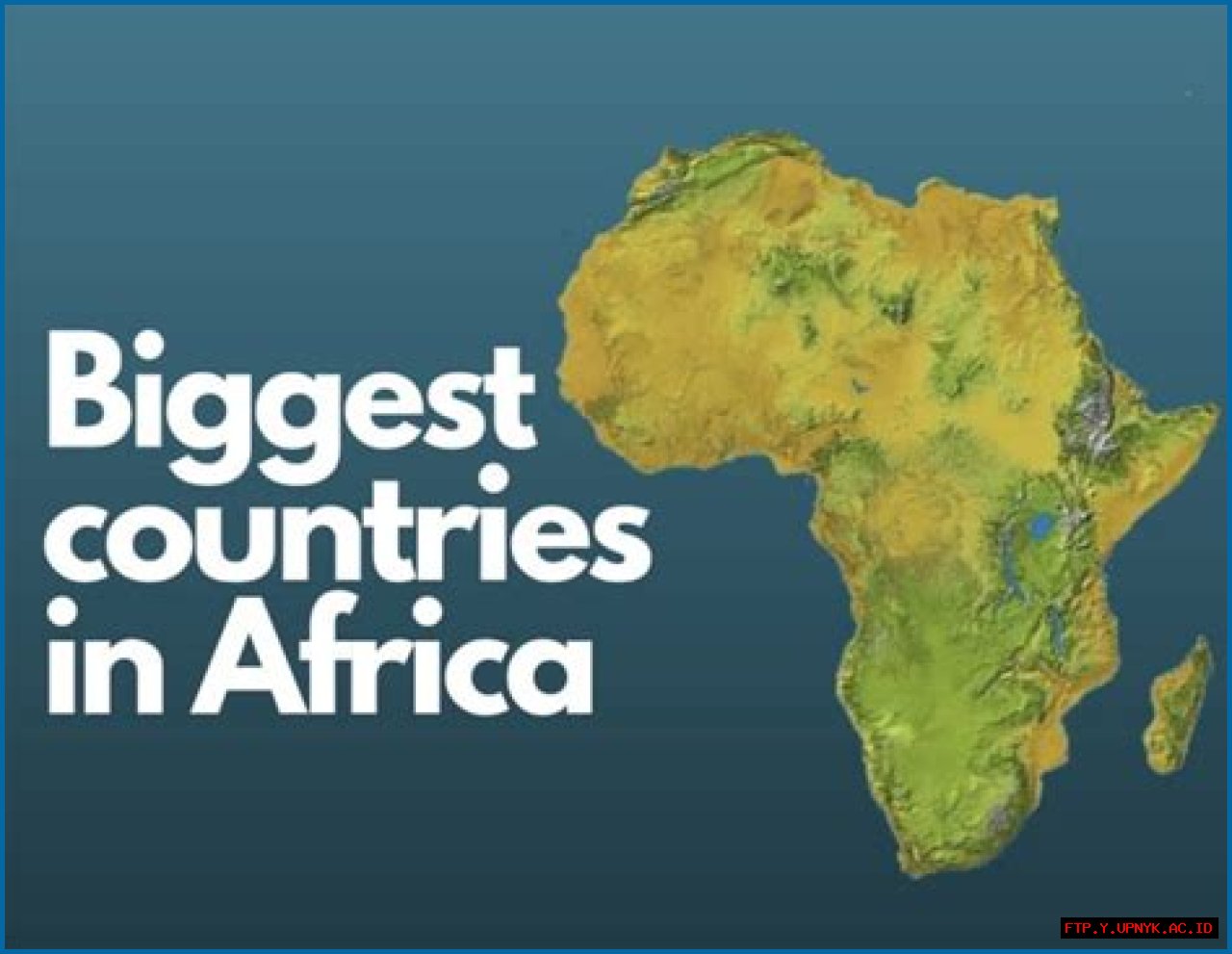
What are the biggest countries in Africa? Africa is the second-largest continent in the world, so it's no surprise that it's home to some of the largest countries. But which ones are the biggest? Let's take a look at the top 10 biggest countries in Africa by land area.
The biggest countries in Africa are:
- Algeria
- Democratic Republic of the Congo
- Egypt
- Ethiopia
- Libya
- Mali
- Mauritania
- Mozambique
- Namibia
- Niger
- Nigeria
- South Africa
- Sudan
- Tanzania
- Chad
These countries make up a significant portion of the continent's landmass and are home to a large percentage of its population. They play an important role in the continent's economy, politics, and culture.
The biggest countries in Africa are rich in natural resources, including oil, gas, minerals, and timber. They also have a diverse range of landscapes, from deserts to rainforests to mountains. This makes them attractive to investors and tourists alike.
👉 For more insights, check out this resource.
However, the biggest countries in Africa also face a number of challenges, including poverty, inequality, and conflict. They are also vulnerable to the effects of climate change, which is causing droughts, floods, and other extreme weather events.
Despite these challenges, the biggest countries in Africa have the potential to be major players on the world stage. They have a young and growing population, a wealth of natural resources, and a rich culture. With the right policies and investments, they can overcome their challenges and achieve sustainable development.
👉 Discover more in this in-depth guide.
FAQs about big countries in Africa
This section provides answers to frequently asked questions about big countries in Africa.
Question 1: What are the biggest countries in Africa?The biggest countries in Africa by land area are Algeria, Democratic Republic of the Congo, Egypt, Ethiopia, Libya, Mali, Mauritania, Mozambique, Namibia, Niger, Nigeria, South Africa, Sudan, Tanzania, and Chad.
Question 2: What are the challenges facing big countries in Africa?The biggest countries in Africa face a number of challenges, including poverty, inequality, and conflict. They are also vulnerable to the effects of climate change, which is causing droughts, floods, and other extreme weather events.
Despite these challenges, the biggest countries in Africa have the potential to be major players on the world stage. They have a young and growing population, a wealth of natural resources, and a rich culture. With the right policies and investments, they can overcome their challenges and achieve sustainable development.
Conclusion
The biggest countries in Africa are home to a large percentage of the continent's population and play an important role in its economy, politics, and culture. They have a wealth of natural resources and a diverse range of landscapes. However, they also face a number of challenges, including poverty, inequality, and conflict. Despite these challenges, the biggest countries in Africa have the potential to be major players on the world stage. With the right policies and investments, they can overcome their challenges and achieve sustainable development.
The future of Africa depends on the success of its biggest countries. By working together, they can overcome their challenges and build a better future for all Africans.
